
Blog
Modern Ceramic Tile Trends 2026

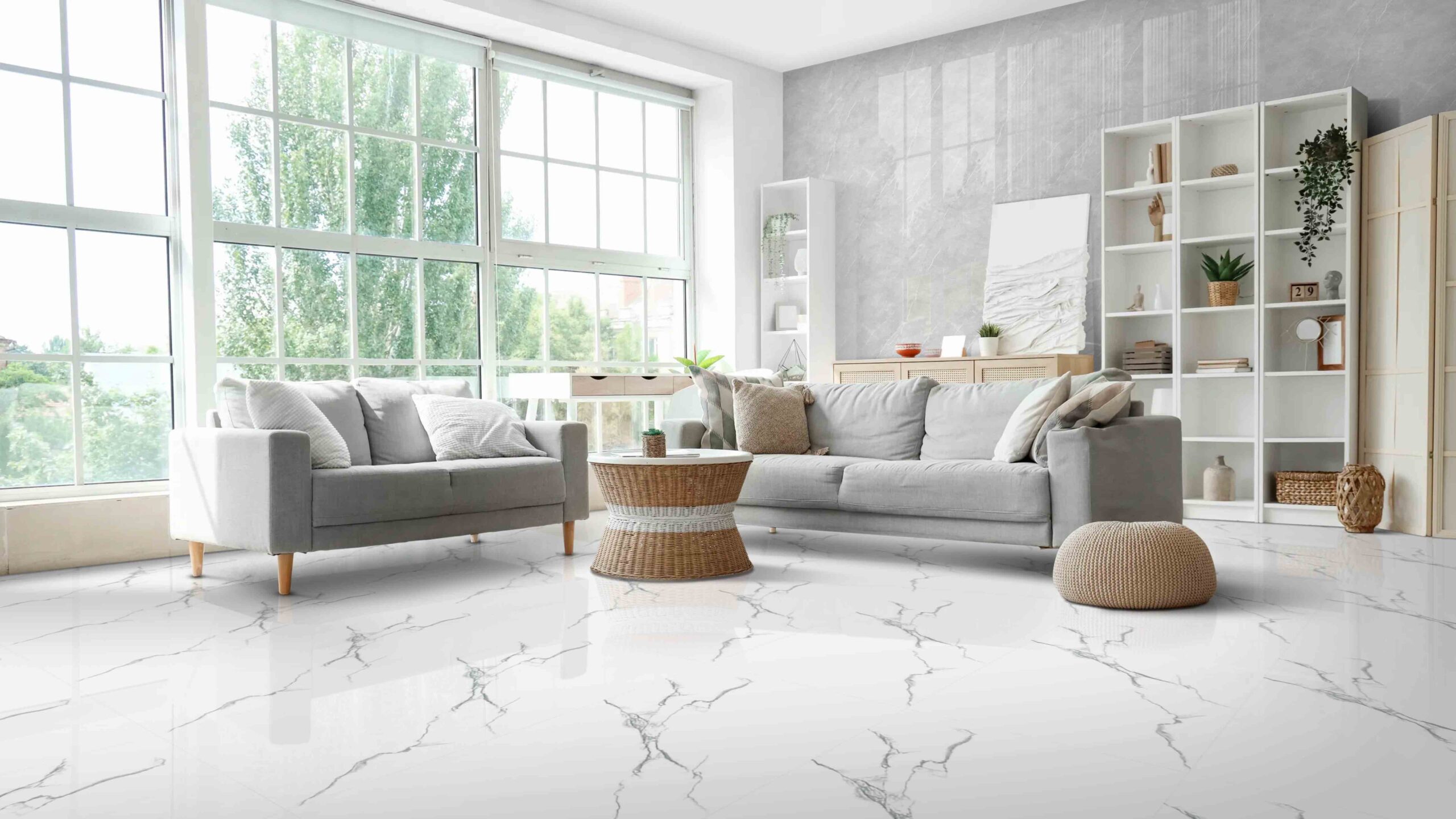
Modern Ceramic Tile Trends 2026: Innovations, Designs & Technologies Reshaping Interiors
The world of interior design and architecture exists in a state of perpetual evolution, and few materials capture this dynamic transformation quite like ceramic tiles. Once relegated to the role of simple, utilitarian surfaces, modern tiles have been elevated to canvases for technological innovation, artistic expression, and sustainable practice. Today’s ceramic tiles transcend their traditional function of covering floors and walls—they create experiences, add sensory dimensions to spaces, and reflect humanity’s deepening connection with both nature and technology.
This fundamental shift is propelled by several key trends that collectively redefine the tile industry’s landscape. From hyper-realistic surfaces that faithfully replicate natural stone to intelligent tiles with self-cleaning properties, the industry witnesses an unprecedented wave of creativity and engineering excellence.
Ceramland Iranian Group stands at the forefront of this movement. As a pioneering Iranian tile exporter with over three years of successful experience supplying premium ceramic tiles to the demanding Russian market, we don’t merely follow these trends—we actively help shape them. Our journey as one of the first companies in the region to navigate and supply this competitive market offers unique insights into how global trends influence local production and international trade. This comprehensive guide explores the most significant trends defining the future of ceramic tiles.
Advanced Digital Printing: The Era of Hyper-Realism
The era of repetitive, low-resolution patterns has conclusively ended. The most transformative technological leap in the ceramic tile industry is undoubtedly advanced digital printing. Through high-definition inkjet technology, manufacturers now produce tiles virtually indistinguishable from natural materials—wood, marble, granite, and intricate stone formations.
Hyper-Realistic Replications: Mimicking Nature with Precision
Modern digital printing enables the creation of expansive, non-repeating patterns that capture nature’s subtle imperfections, intricate veining, and authentic variations. A porcelain tile can now perfectly replicate the rich grain of hardwood flooring—complete with knots and textures—without wood’s maintenance requirements or moisture vulnerability. Similarly, marble-look tiles showcase the dramatic, unique veining of Carrara or Calacatta stone, delivering luxurious aesthetics at a fraction of the cost while offering superior durability.
This technology democratizes high-end design, making luxurious aesthetics accessible to broader markets while preserving the world’s finite natural resources.
The Efficiency Advantage: Less Waste, Greater Variety
Beyond stunning appearances, digitally printed tiles offer substantial practical benefits. The production process operates more efficiently and generates significantly less material waste than traditional methods. Manufacturers can produce wider design ranges with minimal setup time, enabling greater customization and rapid responses to emerging market demands.
This flexibility allows Ceramland Iranian Group to offer diverse, unique product lines that appeal to sophisticated international clients. The ability to produce realistic wood, stone, and even fabric effects on durable ceramic bases has fundamentally transformed material selection for designers and homeowners alike.
The Rise of Large-Format Modern Ceramic Tile Trends
For decades, smaller, traditional tiles dominated the market. Today, the pendulum has swung decisively toward large-format tiles, often called “slabs.” These expansive tiles—exceeding 1.5 meters in length or width—transform residential and commercial spaces by creating seamless, cohesive appearances with minimal grout lines.
Seamless and Expansive Aesthetics: Creating Grandeur
The primary appeal of large-format tiles lies in their ability to create visually clean, uninterrupted surfaces. Fewer grout lines produce sleek, modern aesthetics that make spaces feel larger, more open, and less cluttered. This proves particularly effective in open-plan living areas, kitchens, and expansive commercial lobbies where uniform surfaces convey grandeur and continuity. Large-format tiles also excel in modern, minimalist designs emphasizing clean lines and powerful visual impact.
Practical Benefits: Simplified Maintenance, Specialized Installation
From practical perspectives, reduced grout lines simplify cleaning and maintenance. Grout notoriously collects dirt and mold—with large-format tiles, this issue minimizes significantly. While installation requires specialized tools and expertise, long-term aesthetic and maintenance benefits make these tiles increasingly popular. Industry-leading companies now train teams specifically for handling these materials, confirming that large formats represent not passing fads but new standards in tile design.
Tactile Textures and 3D Surfaces
Beyond visual appeal, the next frontier in ceramic tile design engages the sense of touch. Tiles featuring raised patterns, subtle ridges, and three-dimensional textures add unprecedented depth and sensory richness to spaces, creating dynamic light-and-shadow interactions that transform flat surfaces into sculptural elements.
Adding Depth and Dimension: From Flat to Fluid
3D tiles encompass astonishing design arrays—from geometric waves and abstract reliefs to realistic wood grains and stone textures. They create striking feature walls, establish architectural focal points behind beds, or add subtle tactile finishes to bathrooms. The shadows cast by raised surfaces shift throughout the day, endowing spaces with living, evolving qualities. This trend directly responds to desires for multi-sensory, engaging interior experiences—moving beyond purely visual appreciation to invite physical interaction with surfaces.
Bold Finishes: From Reflective to Metallic
Traditional matte and glossy finishes now share the stage with bold, futuristic options. High-gloss, metallic, and reflective coatings add drama and sophistication to contemporary designs.
A Dazzling Array of Finishes: The Reflective Future
Metallic finishes—including chrome, bronze, and copper—bring industrial-chic and luxurious feelings to spaces. These tiles create striking accent walls or subtly introduce metallic shine. Their reflective properties bounce light throughout rooms, enhancing perceptions of size and brightness. When paired with minimalist furniture and neutral palettes, these finishes produce stunning contrasts that elevate entire designs. The movement toward bold finishes reflects growing desires for expressive, personality-driven interiors that transcend conventional norms.
Nature-Inspired Colors: Embracing Biophilic Design Modern Ceramic Tile Trends
As people spend increasing time indoors, reconnecting with the natural world has become paramount. This movement—biophilic design—influences everything from furniture to flooring. In the ceramic tile industry, this translates to returning to earthy, organic color palettes.
A Grounding Palette: Bringing the Outdoors In
Rich terracotta, soft sage greens, warm Modern Ceramic Tile Trends, and muted blues now dominate residential and commercial projects. These shades create calming, grounding atmospheres that promote well-being and tranquility. Unlike bold, artificial colors, nature-inspired palettes possess timeless appeal transcending temporary trends. This shift reflects deeper societal desires for spaces that feel nurturing, restful, and environmentally connected—not merely color preferences.
Bold and Geometric Patterns
Following prolonged minimalist dominance, patterns have made powerful comebacks. From striking geometric designs to classic checkerboard layouts, tiles now serve as primary tools for creating unique, personalized spaces.
Express Yourself: From Repetition to Individuality
Geometric patterns—hexagons, chevrons, intricate mosaics—add playful, dynamic elements to rooms. They delineate different zones in open-plan spaces or create stunning statement floors and walls. The checkerboard pattern, a retro-era classic, experiences major revival, updated with modern color combinations and large formats for fresh, contemporary appeal. This trend enables homeowners and designers to infuse personality and character into projects, moving beyond generic designs toward genuine uniqueness.
Sustainable and Eco-Friendly Materials
Today’s consumers demonstrate unprecedented environmental consciousness, driving strong demand for sustainable building materials. The ceramic tile industry responds with increasing focus on eco-friendly production methods and recycled materials.
The Green Revolution: Reducing Environmental Impact
Manufacturers actively incorporate recycled glass, discarded tiles, and industrial waste into products, significantly reducing raw material demands. Production processes optimize energy and water consumption. The result: a new generation of eco-friendly tiles that combine beauty and durability with reduced carbon footprints.
This commitment to sustainability has evolved from niche concern to core value, embraced by forward-thinking companies like Ceramland Iranian Group. Through investments in modern, efficient production methods and sustainable sourcing, we meet global market demands for quality combined with environmental responsibility.
The Rise of Smart Tile Technology
Technology integration into everyday materials represents a major trend—and ceramic tiles prove no exception. “Smart tiles” elevate traditional materials, transforming them into interactive, highly functional components of modern homes.
From Surface to System: Tiles That Do More
Smart tile innovations introduce features once confined to science fiction. Self-cleaning tiles feature special glazes that, when exposed to light, break down organic matter and reduce bacterial growth. Radiant heated tiles provide efficient, comfortable underfoot warmth. Sensor-equipped tiles monitor foot traffic, detect leaks, or serve as light sources. These intelligent materials will play crucial roles in smart home and building development, adding convenience, safety, and energy efficiency layers that traditional tiles cannot match.
The Revival of Traditional and Mosaic Styles
While technology propels the industry forward, a powerful movement simultaneously looks to the past for inspiration. Traditional patterns, hand-painted designs, and intricate mosaics experience major revival, reinterpreted for modern contexts.
Timeless Craftsmanship: A Nod to Nostalgia
This trend responds to desires for authenticity, craftsmanship, and historical connection. Handmade and artisanal-style tiles—with their slight imperfections and unique character—add warmth and individuality that mass-produced products often lack. Mosaic patterns, whether classic black-and-white or vibrant eclectic colors, create stunning murals and feature floors evoking timeless artistry. This revival proves that while technology and innovation transform the industry, craftsmanship’s human element and classic design’s enduring appeal will always occupy essential places in modern aesthetics.
Advanced Textural Realism: The Next Simulation Frontier
Building upon advanced digital printing foundations, the industry now moves toward unprecedented textural realism. This trend transcends making tiles look like natural materials—it makes them feel authentic.
The Authentic Feel: A Complete Sensory Experience
Through sophisticated molding and glazing techniques, manufacturers now replicate natural surfaces’ subtle imperfections—wood grain ridges, slate’s rugged texture, travertine’s subtle pitting. This creates incredibly authentic tactile experiences that fool both eye and hand. This realism level adds new design dimensions, enabling spaces that are not only visually stunning but richly detailed sensorially.
Conclusion
The ceramic tile industry undergoes remarkable transformation, driven by exciting fusions of technology, sustainability, and artistic expression. From hyper-realistic replications enabled by advanced digital printing to smart tiles’ practical benefits and traditional patterns’ timeless beauty, options available to designers and homeowners have never been more diverse or innovative. These trends reflect fundamental shifts in how we perceive inhabited spaces—as living, breathing environments that should be beautiful, functional, and reflective of our values.
For industry pioneers like ClG, these developments present both challenges and opportunities. By staying ahead of trends and leveraging deep expertise—evidenced by our pioneering role successfully exporting Iranian tiles to Russia’s competitive market for over three years—we offer not merely products but solutions at global design’s cutting edge.
The future of the ceramic tile industry shines bright—a future where a simple tile can simultaneously be art, technological marvel, and testament to sustainable living.